Graduate Student Research
Current graduate research projects in CEE
PhD Candidate Research
Civil Engineering
Concentration: Rock Mechanics, Soil Mechanics
Overview: Aderibigbe’s research focuses on understanding the behavior of problematic soils and developing sensor-based approaches for soil characterization and zonal mapping to improve geotechnical site assessment and land management. More precisely, his research investigates the integration of advanced sensing technologies with soil physical and geotechnical properties to enable accurate spatial characterization and delineation of soil variability. By combining field measurements, laboratory analyses, and geospatial techniques, his research aims to support data-driven decision-making in geotechnical engineering applications.
Advisor: Oladoyin Kolawole
Geomechanics for Geo-Engineering & Sustainability (GGES) Laboratory
Concentration: Construction and Infrastructure Management
Overview: Adhikari’s research develops large language model (LLM)-based agentic systems for construction, addressing both their capabilities and their risks. He builds self-correcting LLM agents that automate BIM workflows and multimodal systems for construction safety compliance. His dissertation investigates the inverse problem: how generative AI threatens the integrity of highway construction quality assurance (QA) data, developing adversarial simulation methodologies to expose and mitigate these vulnerabilities. The overarching goal is enabling trustworthy adoption of AI across the construction project lifecycle.
Advisor: Rayan H. Assaad
Smart Construction and Intelligent Infrastructure Systems (SCIIS) Laboratory
Concentration: Construction Safety and Productivity
Overview: Ali’s research investigates construction workers’ physiological responses and their implications for safety, health, and productivity under diverse work activities and environmental conditions. His work evaluates the impacts of wearable robotics and multimodal sensing technologies on workers’ physical, cognitive, and visual performance. He also explores Human-Robot Collaboration (HRC) and Human-Computer Interaction (HCI) to improve worker well-being and operational efficiency in construction. Additionally, he develops intelligent systems leveraging Large Language Models (LLMs), computer vision, and sensor-based analytics to enhance construction safety, productivity, and data-driven decision-making.
Advisor: Mohammad Khalid
Automation, Robotics, Computing, Informatics, and Sensing in Construction (ARCIS) Laboratory
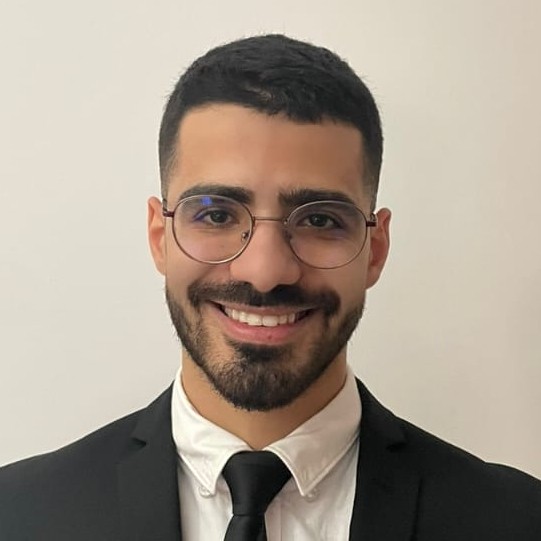
Concentration: Construction and Infrastructure Management
Overview: Charbel’s research integrates simulation modeling and deep learning to advance infrastructure resilience. His dissertation develops novel models for optimizing maintenance decisions and extending bridge lifecycles. Beyond civil infrastructure, he contributes to environmental research, examining lithium-ion battery lifecycle management and recycling, as well as litter management and policy improvements in the U.S. These efforts aim to enhance decision-making, sustainability, and long-term outcomes across both infrastructure and environmental systems.
Advisor: Rayan H. Assaad
Smart Construction and Intelligent Infrastructure Systems (SCIIS) Laboratory
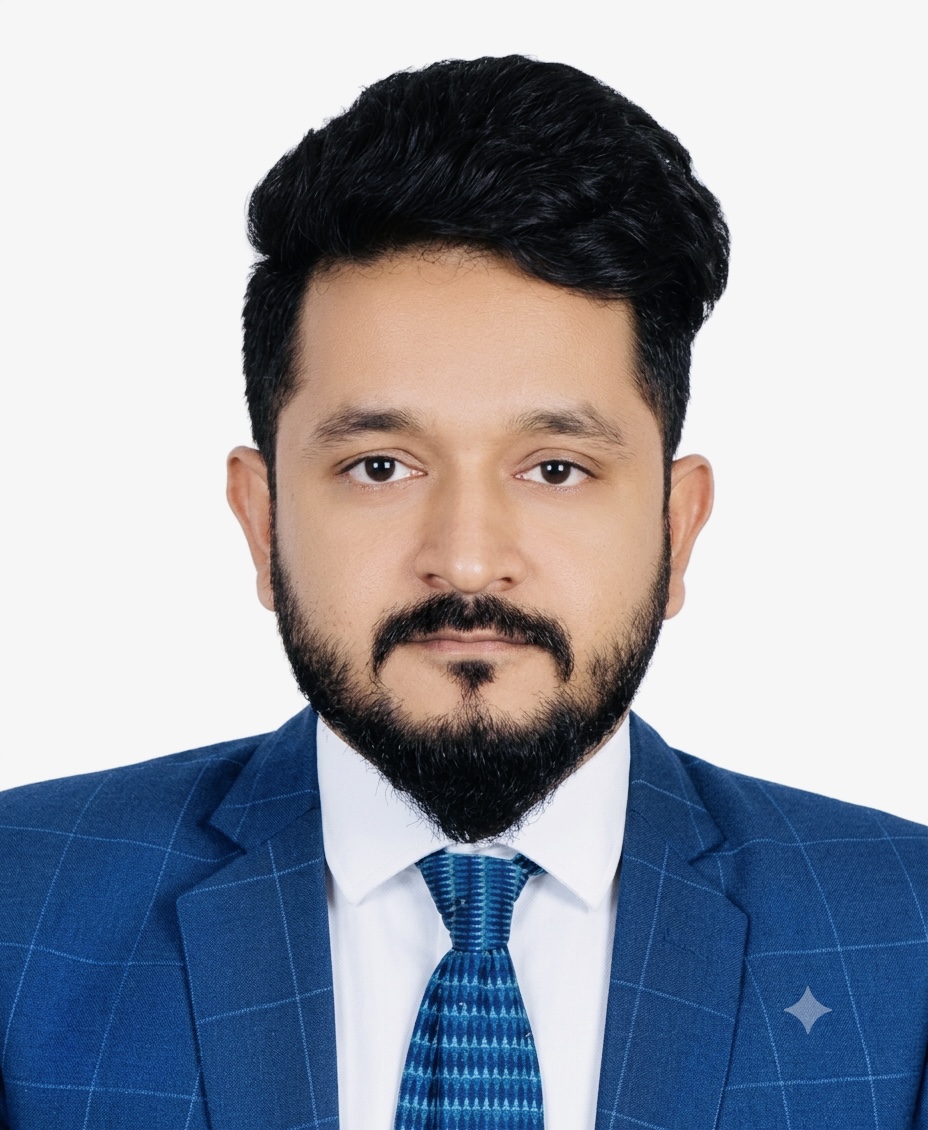
Concentration: Low-carbon concrete systems, material characterization, sustainable construction materials, durability of cementitious systems
Overview: Hasan’s research focuses on studying the impact of supplementary cementitious materials (SCMs) on different physical, chemo-mechanical, and durability performance of low-carbon concrete (LCC) systems. They include identifying various types of LCC systems to reduce global warming potential (GWP) by reducing CO₂ emissions from the concrete industry. His research also examines the impact of various critical parameters, including GGP replacement levels and air entrainer-GGP interaction, on the durability of LCC systems.
Advisor: Matthew P. Adams
Materials and Structures Laboratory (MatSLab)
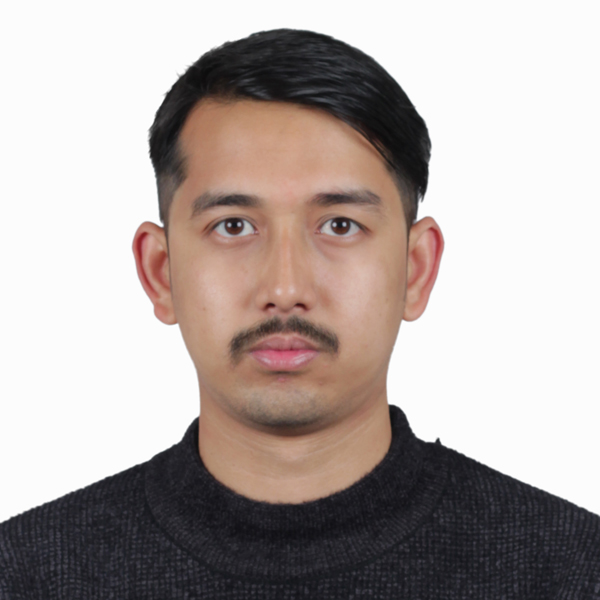
Concentration: Geotechnical Engineering
Overview: Khadka’s research focuses on coastal slopes, aiming to understand their behavior, failure mechanisms, and long-term stability within dynamic coastal environments. To achieve this, I combine laboratory experimentation, finite element method (FEM)-based numerical analyses, and machine learning frameworks to study how coastal slopes respond and fail under real-world conditions. This work contributes to more reliable hazard mapping, better risk management, and the development of bio-based intervention strategies as sustainable solutions for slope reinforcement, supporting safer and more resilient coastal infrastructure.
Advisor: Oladoyin Kolawole
Geomechanics for Geo-Engineering & Sustainability (GGES) Laboratory
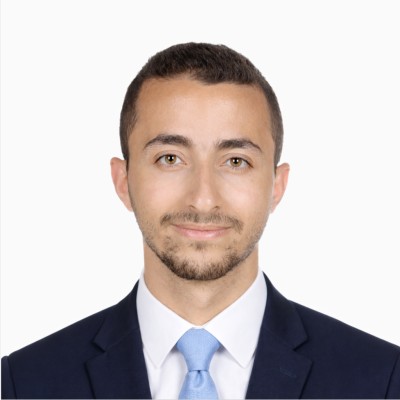
Concentration: Construction and Infrastructure Management
Overview: Mendelek’s research advances artificial intelligence, machine learning, and data analytics for smarter infrastructure construction management. His dissertation develops a data-driven, expert-informed framework for production-rate estimation in transportation infrastructure projects by synthesizing daily work report analytics, multistate benchmarking, statistical production-rate analysis, and scheduling practice. By linking productivity assumptions to contract time determination, schedule reliability, delays, claims, and disputes, his work supports enhanced construction scheduling manuals, proactive risk governance, and more reliable, defensible decisions throughout the project delivery lifecycle.
Advisor: Rayan H. Assaad
Smart Construction and Intelligent Infrastructure Systems (SCIIS) Laboratory
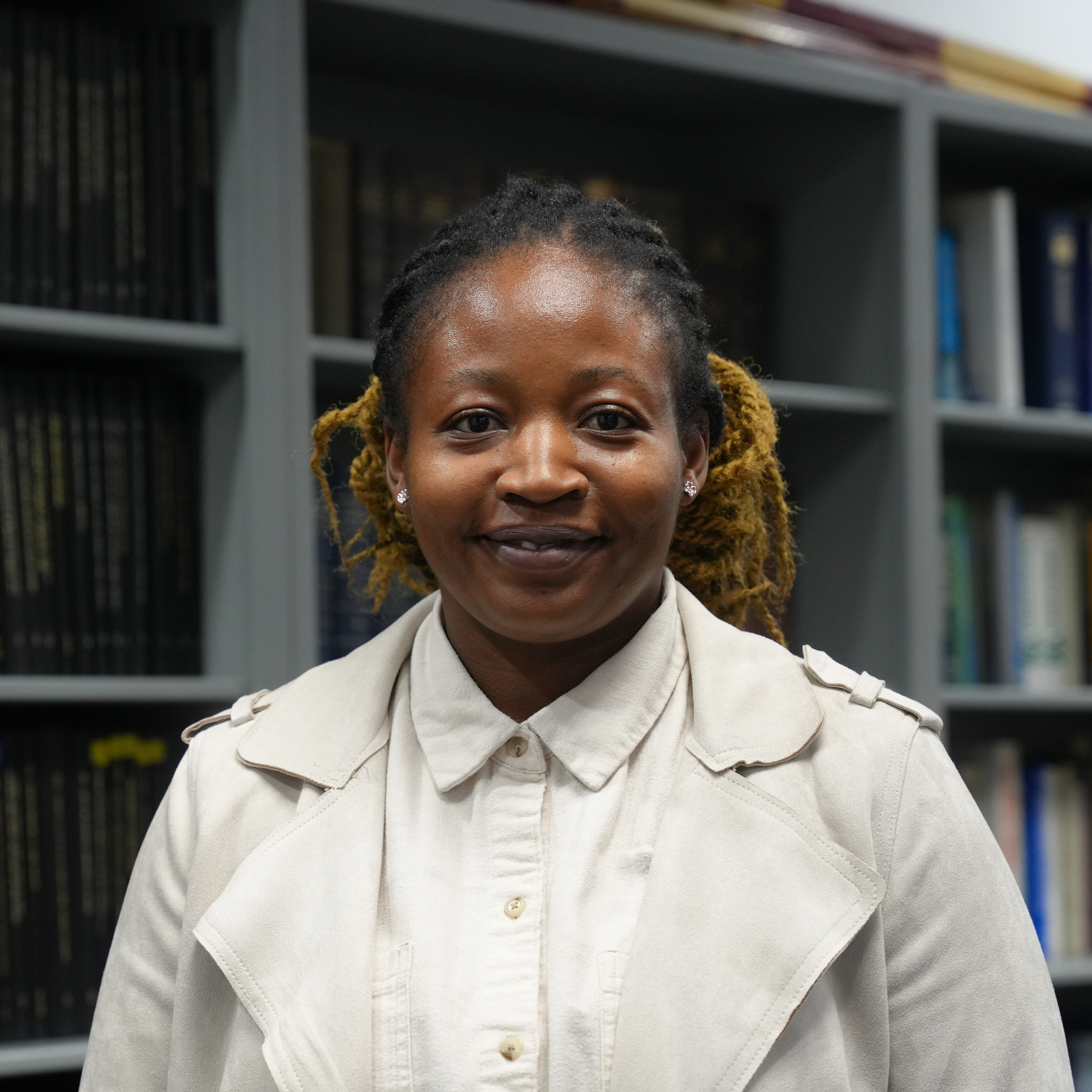
Concentration: Geotechnical Engineering, Rock Mechanics
Overview: Mgiba’s research focuses on investigating mechanisms influencing rock collapse in underground excavations, both on Earth and in extraterrestrial environments. Underground engineering is essential to modern civilization, but the surrounding rock can collapse, posing serious safety and investment risk. By understanding rock mass response under varying stress conditions, she aims to support the development of stable, sustainable and resilient subsurface excavations here and beyond our planet.
Advisor: Oladoyin Kolawole
Geomechanics for Geo-Engineering & Sustainability (GGES) Laboratory
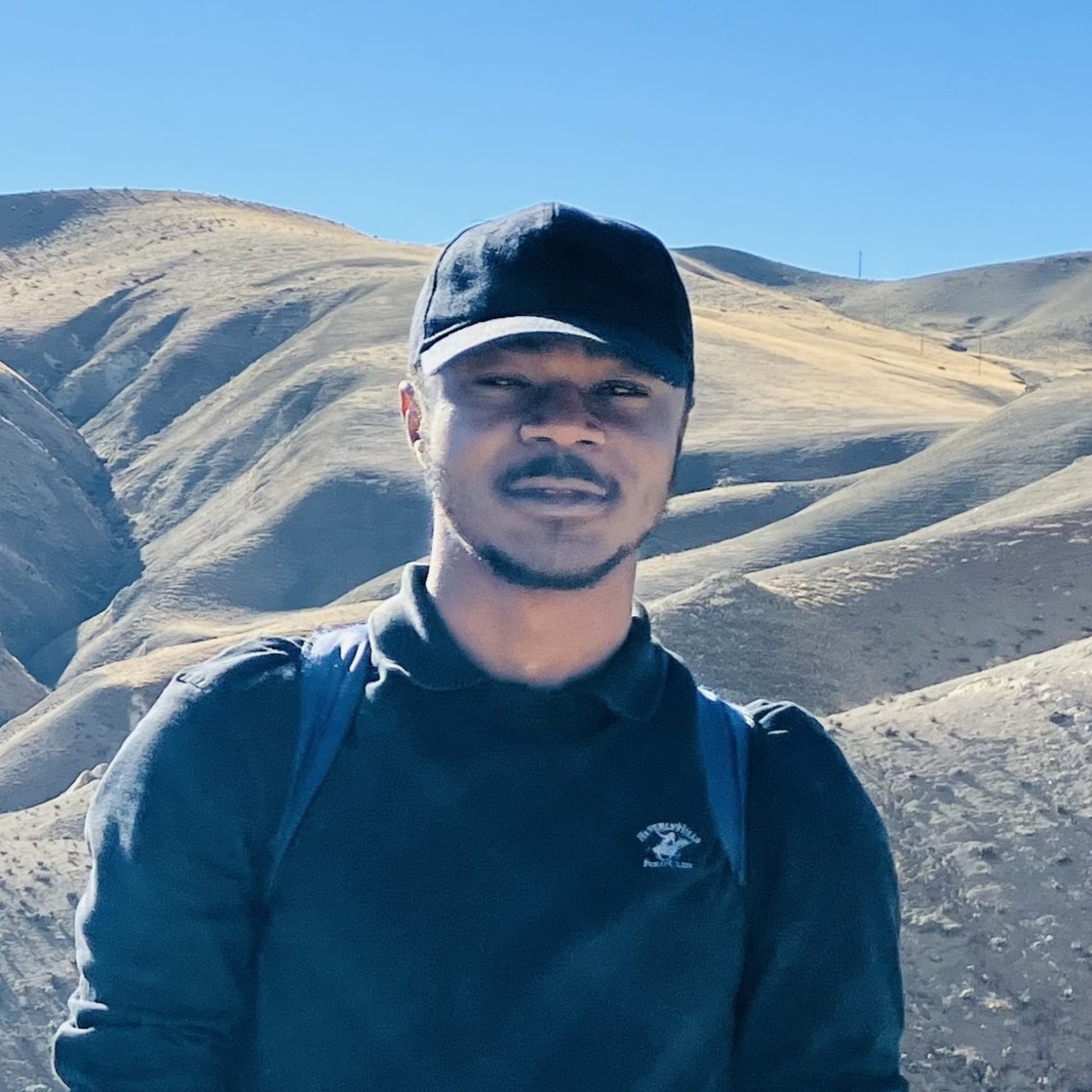
Concentration: Geotechnical Engineering
Overview: Okezie’s research explores the coupled geochemical and geomechanical processes that govern geologic hydrogen production through the hydrothermal alteration of ultramafic rocks. Geologic hydrogen is an emerging low-carbon energy resource with considerable potential to reshape the future energy landscape. His research integrates laboratory experiments and computational modeling to investigate the reaction processes responsible for hydrogen generation and their mechanical effects on ultramafic rocks, advancing scientific knowledge and understanding of these coupled processes while supporting the development of safe and scalable geologic hydrogen technologies.
Advisor: Oladoyin Kolawole
Geomechanics for Geo-Engineering & Sustainability (GGES) Laboratory
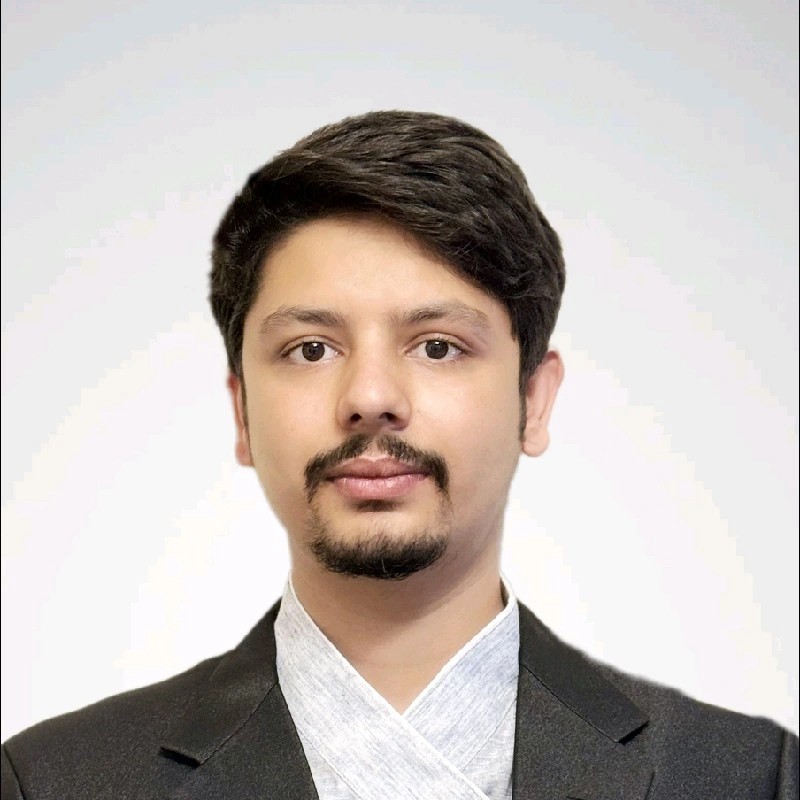
Concentration: Construction and Infrastructure Management
Overview: Poudel’s research focuses on developing AI-driven frameworks for next-generation construction automation, integrating human–robot interaction, intelligent sensing, and generative systems. The work spans over multimodal perception and control using deep learning, with ongoing research studies like audio-based monitoring, noise-robust voice control systems, wearable-based hand pose estimation for precision tasks etc. The ultimate goal is to enable context-aware, adaptive, and safe robotic systems that enhance productivity, safety, and real-time decision-making in dynamic construction environments.
Advisor: Rayan H. Assaad
Smart Construction and Intelligent Infrastructure Systems (SCIIS) Laboratory
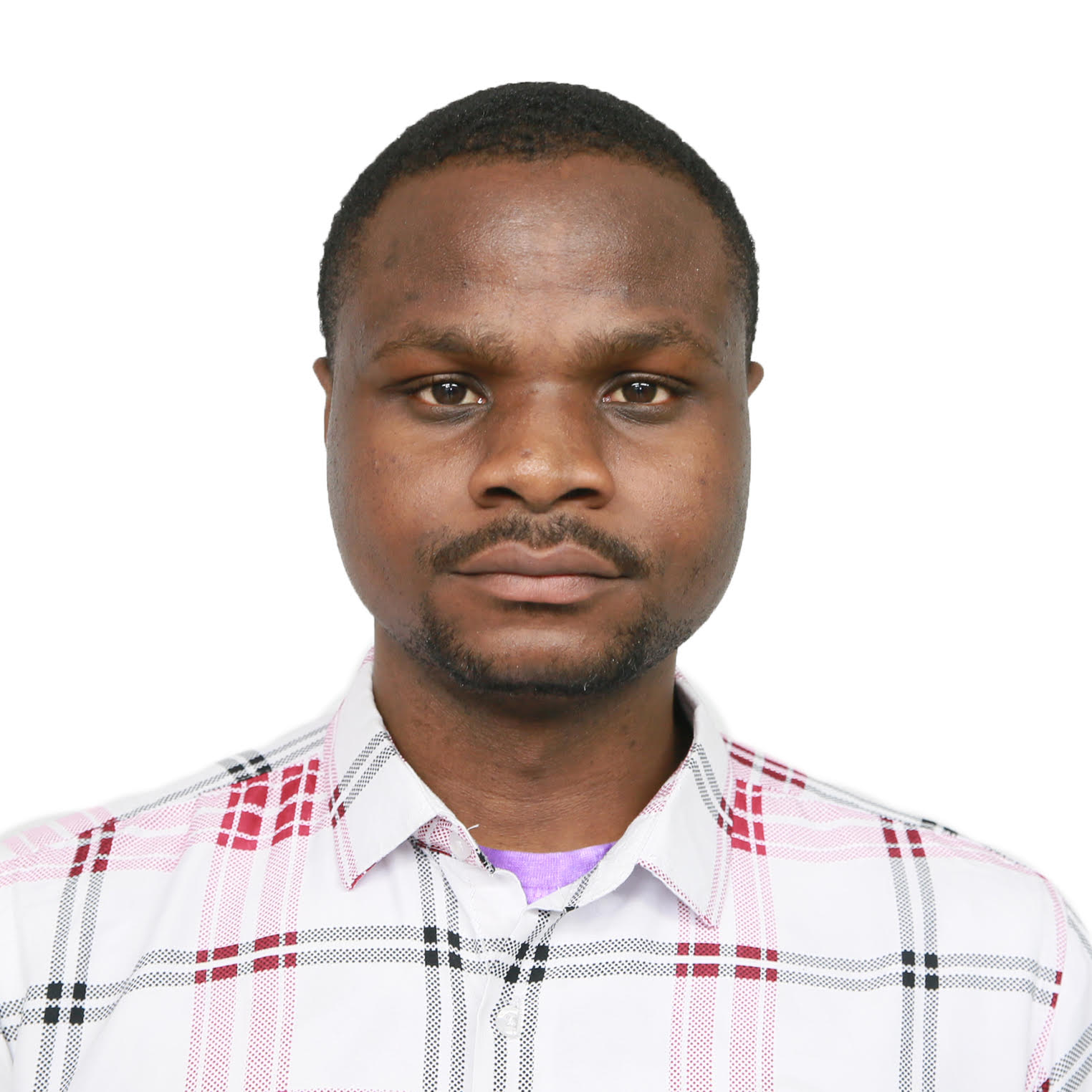
Concentration: Geotechnical Engineering
Overview: Sonibare’s research focuses on understanding the mechanical behavior of weak rock masses under different loading, environmental, and failure conditions to enhance their stability and performance in underground and geotechnical engineering applications. In particular, his research work investigates the effectiveness of grouting techniques in improving the strength, deformability, and resilience of fractured rocks. By integrating experimental testing, and numerical simulations, his research aims to optimize rock improvement strategies for challenging ground conditions.
Advisor: Oladoyin Kolawole
Geomechanics for Geo-Engineering & Sustainability (GGES) Laboratory
Concentration: Geotechnical Engineering; PFAS remediation; Acoustic cavitation and Nanobubble nucleation modeling
Overview: Senevirathna’s research focuses on the implosion of ultrasound-generated nanobubbles to destroy PFAS in contaminated water. The project investigates how acoustic parameters, water chemistry, and interfacial effects influence nanobubble generation, stability, and collapse. A key component of his work is developing a predictive model for nanobubble generation under ultrasound, with the goal of linking controllable operating conditions to improved PFAS degradation efficiency in water treatment applications.
Advisor: Jay Meegoda
Co-advisor: Linda Cummings
Concentration: Structural Engineering
Overview: Sthapit’s research focuses on understanding the behavior of reinforced high-performance fiber-reinforced cementitious composites (R/HPFRCC) columns through extensive experimental testing and numerical simulations. The effects of key parameters such as axial load ratio, longitudinal reinforcement, and material mechanical properties are investigated by subjecting R/HPFRCC columns to axial and reversed cyclic loadings. Based on the experimental and simulation results, plastic hinge expressions suitable for use in frame analysis are developed.
Advisor: Matthew J. Bandelt
Materials and Structures Laboratory (MatSLab)
Environmental Engineering

Concentration: Energy resilience during severe weather events
Overview: Energy resilience and community resilience are inextricably linked. Additionally, they are both highly vulnerable to severe weather events. Mobile Battery Energy Storage Systems (mBESS) offer a compelling solution to mitigate disruptions across both the electric grid and local communities. Al-Kuran’s research quantifies the potential of mBESS to strengthen grid and community resilience while optimizing deployment strategies to maximize operational and socioeconomic benefits.
Advisor: Michel Boufadel
Center for Natural Resources (CNR)
Concentration: Microplastics
Overview: Assi’s research focuses on the analysis of microplastics, including their detection, identification, characterization, and behavior in environmental systems. A key component of her work involves examining their physical and chemical properties, evaluating their response to different environmental conditions, and investigating the factors that may influence their transformation over time. Overall, her research aims to advance the understanding and assessment of microplastic pollution, which has become an increasing environmental concern due to the persistence, mobility, and widespread occurrence of these particles in natural systems.
Advisor: Michel Boufadel
Center for Natural Resources (CNR)

Concentration: Nanobubble Technology for Environmental Remediation
Overview: Atukuri’s research focuses on understanding the physicochemical properties of nanobubbles and their interactions with oil-water systems for environmental remediation applications. The work investigates nanobubble stability, partitioning behavior, interfacial interactions, electrocoalescence, foam fractionation, and soil washing processes. Experimental studies are combined with modeling approaches to elucidate contaminant transport and removal mechanisms. The ultimate goal is to develop sustainable and efficient technologies for remediation of oil-contaminated water systems.
Advisor: Wen Zhang
Sustainable Environmental Nanotechnology and Nanointerfaces Laboratory
Concentration: Microplastics
Overview: Brenckman’s research focuses on environmental contaminants and their impacts on ecosystems and human health, with particular emphasis on microplastics, nanoplastics, engineered nanoparticles, PFAS, and harmful algal blooms. She examines how these contaminants enter and move through the environment, interact with other pollutants, and contribute to biological and toxicological effects. Her work also explores environmental modeling, exposure pathways, risk assessment, and emerging strategies to better understand, predict, and reduce environmental and public health risks.
Advisors: Jay Meegoda & Ashish Borgaonkar
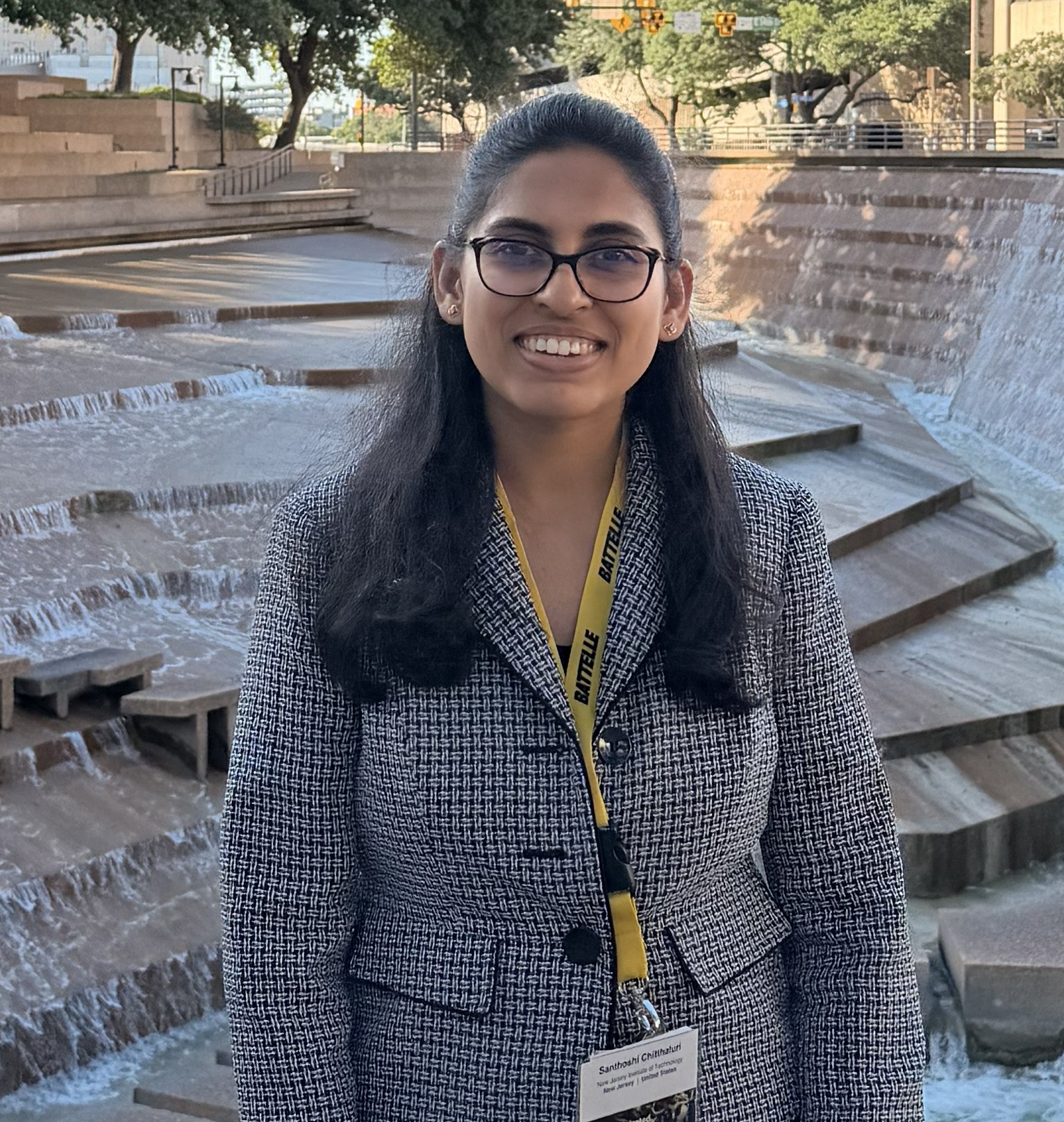
Concentration: PFAS Monitoring, Fate, Transport, and Stabilization
Overview: Chitthaluri’s research focuses on the occurrence, fate, transport, and transformation of per- and polyfluoroalkyl substances (PFAS) in water, soil, and wastewater systems. She investigates how PFAS contamination from an aqueous film-forming foam release moves through the environment and varies across different matrices. Her work combines environmental monitoring with the evaluation of stabilization techniques to support improved PFAS management.
Advisor: Arjun Venkatesan
Emerging Contaminants Research Laboratory (ECRL)

Concentration: Quantifying pollutants and microplastics in rain gardens
Overview: Doughan measures and analyzes pollutants and microplastics in urban green infrastructures (UGIs). He is also studying the vertical and horizontal distribution of those contaminants within that system.
Advisor: Michel Boufadel
Center for Natural Resources (CNR)
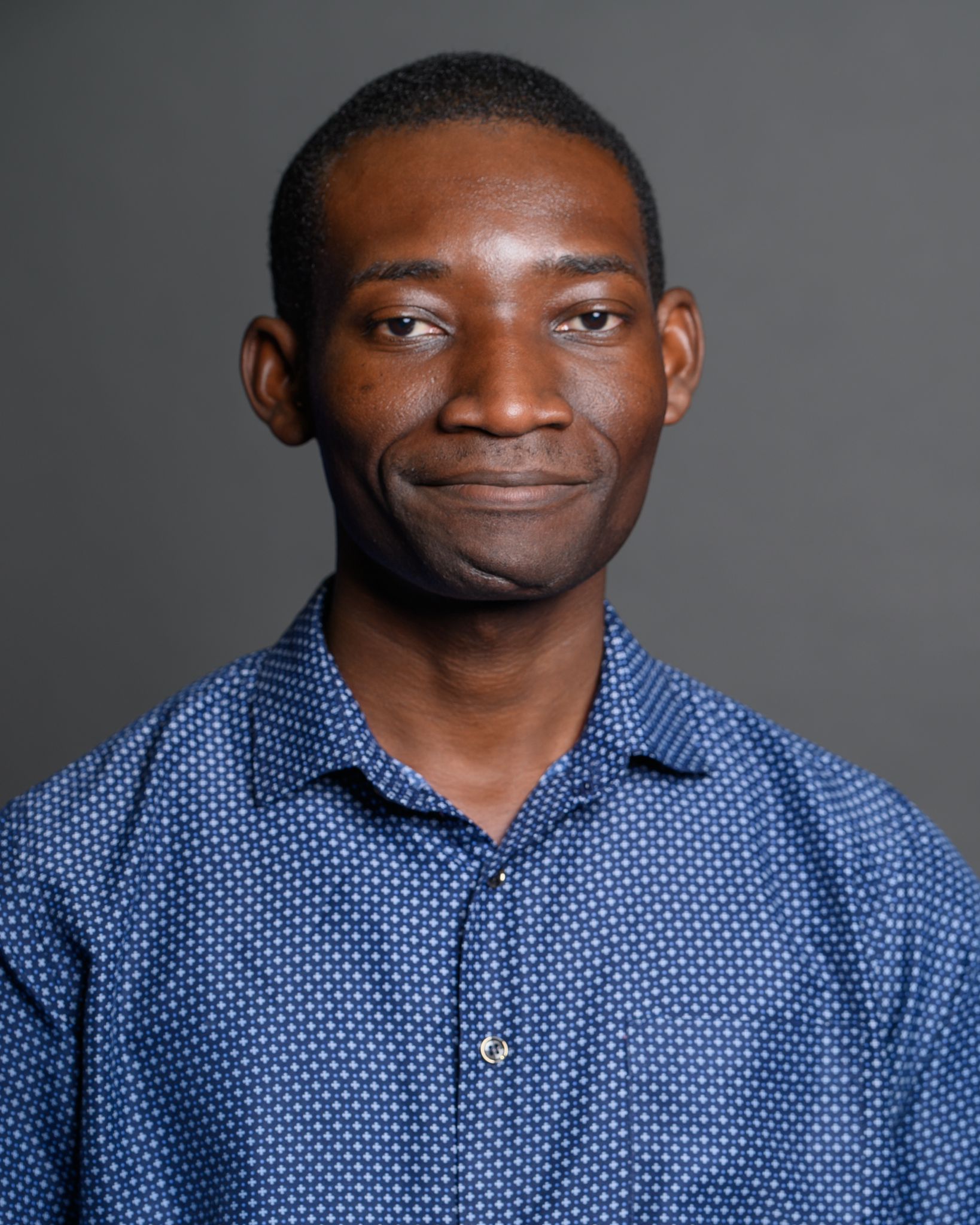
Concentration: Treatment Solutions for Emerging Contaminants in Water and Wastewater; PFAS
Overview: Per- and polyfluoroalkyl substances (PFAS) continue to be a major water treatment hurdle that needs to be addressed. Etsiwah’s research focuses on developing novel treatment approaches and technologies to address PFAS and other emerging contaminants in various environmental media.
Advisor: Arjun Venkatesan
Emerging Contaminants Research Laboratory (ECRL)
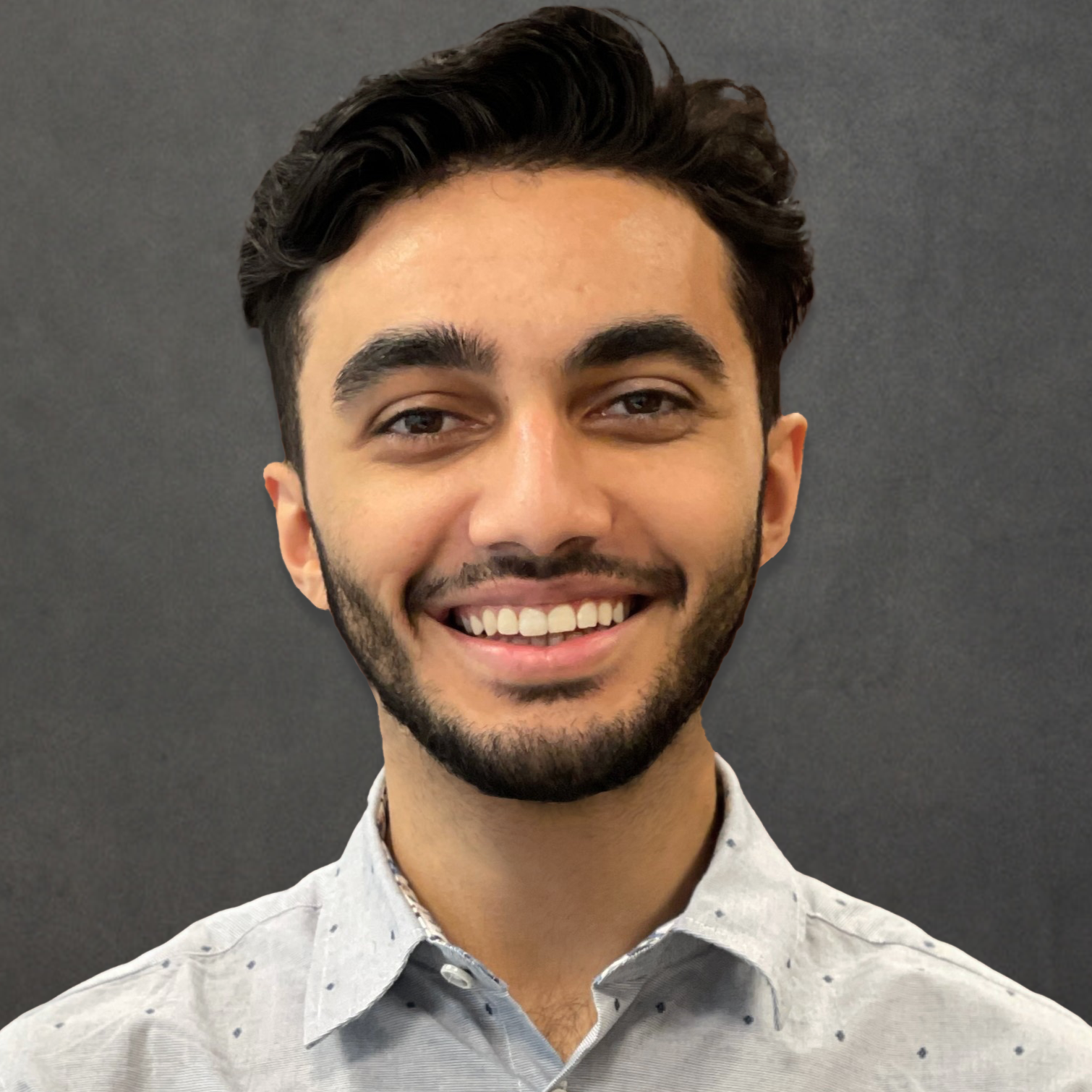
Concentration: Machine Learning and Agent Based Modeling
Overview: Ibrahim’s research focuses on using artificial intelligence and machine learning to create efficient surrogates and complementary frameworks for flood management and mitigation. He has also built tools to extract simulation-ready storm data, monitor hourly rainfall forecasts at a city scale, and map flood extents from imagery. His research also explores Agent-Based Modeling to analyze optimized environmental solutions.
Advisor: Michel Boufadel
Center for Natural Resources (CNR)
Concentration: Soil and Groundwater Transportation, Contaminant Hydrogeology
Overview: Illin’s research proposes an Electrokinetic Remediation system to remove PFAS and metals from contaminated soil and groundwater under replicable field-relevant conditions. The study will evaluate contaminant transport, treatment efficiency, energy consumption, and permeable reactive barrier performance. The project aims to enhance the understanding of PFAS mobilization mechanisms and develop guidelines for full-scale implementation of EKR technology.
Advisor: Michel Boufadel
Center for Natural Resources (CNR)
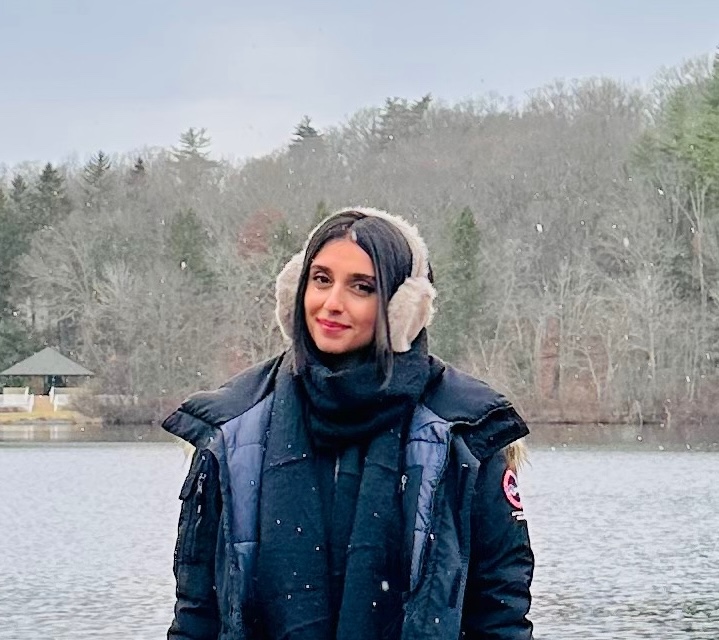
Concentration: Improving Ultrashort- and Short-Chain PFAS Adsorption, Hydrophobic Ion Pairing, RSSCTs
Overview: Maghsoudi’s research focuses on improving the removal of ultrashort- and short-chain PFAS from water, which remain challenging to capture using conventional adsorption processes. Her work investigates hydrophobic ion pairing (HIP) to alter PFAS physicochemical behavior, increase their affinity for granular activated carbon (GAC), and promote their adsorption. By integrating fundamental studies with RSSCTs, pilot-scale systems, and treatment of contaminated groundwater, her research translates mechanistic understanding into practical and scalable strategies for more efficient PFAS removal.
Advisor: Arjun Venkatesan
Emerging Contaminants Research Laboratory (ECRL)
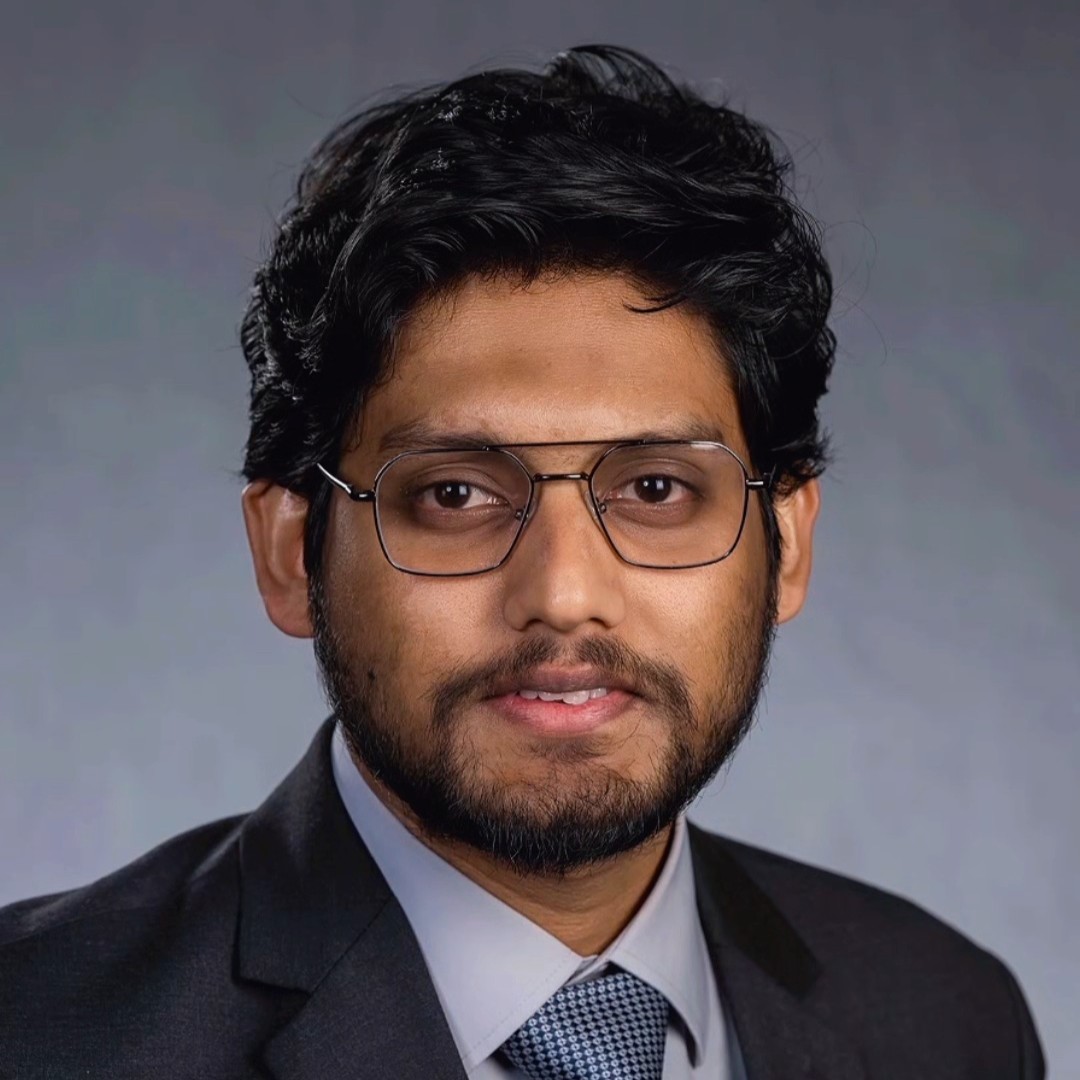
Concentration: PFAS Treatment Across Different Environmental Matrices
Overview: Nice’s research focuses on the fate and treatment of per- and polyfluoroalkyl substances (PFAS) in water and wastewater․ His research interests include emerging treatment methods to address the persistence‚ mobility‚ and behavior of PFAS in different environmental matrices․ His work seeks to better understand the factors influencing PFAS behavior and treatment and develop effective strategies for managing these emerging contaminants in aqueous and solid waste streams. Ultimately, his research aims to advance sustainable solutions that reduce PFAS release and minimize their environmental impacts.
Advisor: Arjun Venkatesan
Emerging Contaminants Research Laboratory (ECRL)

Overview: Pandey’s PhD research focuses on addressing PFAS (“forever chemicals”) contamination in water. These persistent, potentially carcinogenic compounds are widespread across soil, air, and water. His work explores sustainable and practical methods to remove PFAS from water, aiming to protect both public health and the environment. Specifically, he investigates treatment strategies involving coagulation-flocculation and foam fractionation to improve PFAS removal efficiency.
Advisor: Arjun Venkatesan
Emerging Contaminants Research Laboratory (ECRL)
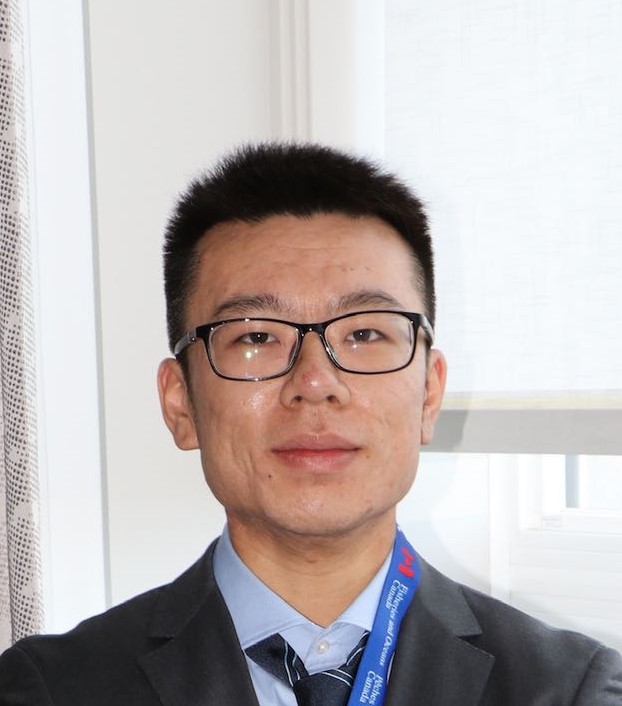
Concentration: Oil droplet Breakup, CFD Modeling
Overview: Qu’s research focuses on oil spill breakup and oil droplet transport in turbulent aquatic environments using computational fluid dynamics (CFD). He develops numerical models to investigate how turbulence, oil properties, and droplet interactions influence breakup dynamics and droplet size distributions. By analyzing multiphase flow and mass transfer processes, his research aims to improve predictions of oil dispersion and transport after spills, enhance the reliability of CFD simulations, and support effective oil spill response and environmental impact assessment.
Advisor: Michel Boufadel
Center for Natural Resources (CNR)
Concentration: Flood Modeling, Hydrology, Hydraulics, Stormwater Management, and Mitigation
Overview: Rahman’s research focuses on urban and riverine flooding, flood risk assessment, stormwater management, and flood mitigation through 2D hydrodynamic modeling. As part of state funded research conducted in coordination with the New Jersey Office of Emergency Management (NJOEM), Rahman uses HEC-RAS 2D, GIS-based watershed analysis, high-resolution terrain data, and field observations to simulate flood behavior and evaluate mitigation alternatives such as levees, floodwalls, reservoirs, detention basins, green infrastructure, erosion control measures, and drainage improvements. His research aims to support informed decision-making and provide practical recommendations for water resource management and community flood resilience in New Jersey.
Advisor: Michel Boufadel
Center for Natural Resources (CNR)
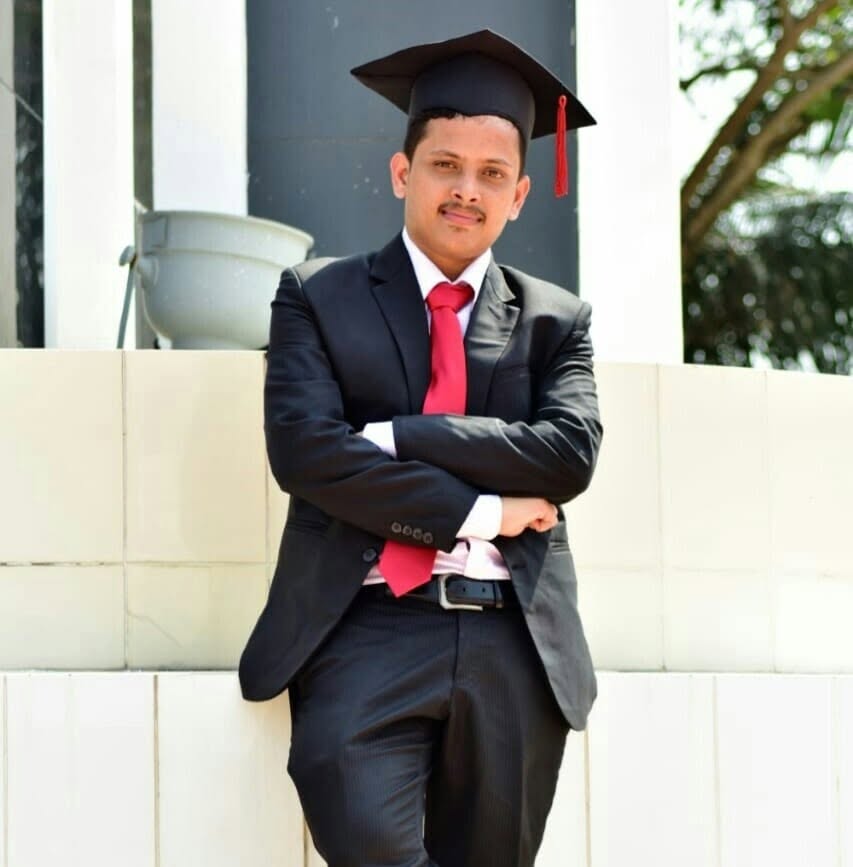
Concentration: Water Quality and Emerging Contaminants
Overview: Rakib’s research investigates emerging contaminants in aquatic systems, focusing on microplastics, heavy metals, nutrients, dissolved organic matter, and harmful algal blooms. He examines microplastic photooxidation and leaching, including how UV radiation alters polymer morphology, surface chemistry, fragmentation, contaminant interactions, and release of organic compounds and additives. By combining field sampling, laboratory experiments, chemical characterization, toxicity analysis, remote sensing, and statistical modeling, he assesses pollution sources, transformations, ecological risks, and implications for water-quality management.
Advisor: Michel Boufadel
Center for Natural Resources (CNR)
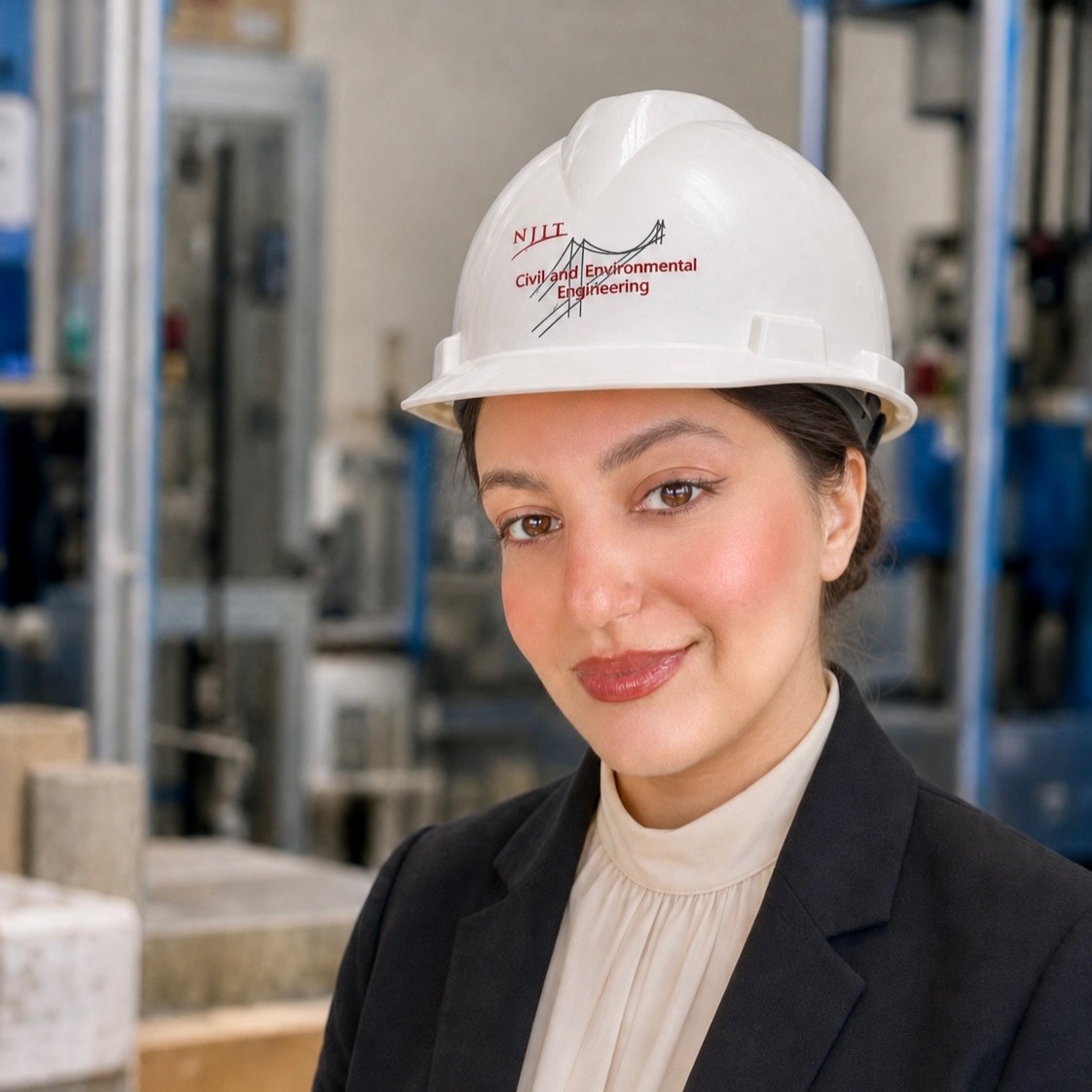
Concentration: Drinking Water Quality, Lead Corrosion and Corrosion Control, Real-Time Electrochemical Sensing, Water Treatment
Overview: Talebidalouei’s research focuses on reducing lead exposure in drinking water through improved corrosion control and real-time monitoring. Her work evaluates how water chemistry and phosphate-based corrosion inhibitors influence lead and other metal release using controlled bench-scale experiments, plumbing materials, and analytical techniques such as ICP-MS. She is also developing an IoT-enabled electrochemical sensing platform for continuous monitoring of lead-related corrosion behavior, with laboratory and pipe-loop testing aimed at capturing time-dependent events that conventional grab sampling may miss. Her research seeks to advance practical, data-driven approaches for improving drinking water quality and supporting safer corrosion-control strategies.
Advisor: William Pennock
Accessible Clean Water Infrastructure (ACWI) Lab
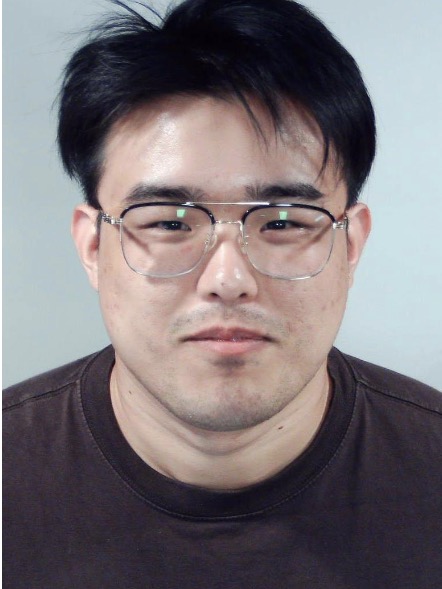
Concentration: Electrochemistry, Advanced Surface Analysis (AFM), Water Treatment & Resource Recovery
Overview: Zhang’s research focuses on novel electrochemical separation and resource recovery by valorizing conventional wastewater into useful chemical products. Specifically, he designs and tests gas-permeable electrodes that convert/capture nutrients with minimal chemical inputs and energy, leveraging interfacial acid–base microenvironments to drive selectivity. He also employs cutting-edge characterization tools such as atomic force microscopy (AFM) in combination with IR, KPFM, and electrochemical scanning microscope to perform nanoscale characterization for catalysts and acquire reactivity mapping and quantification, essential for understanding of nanoscale transport, fouling, and wetting.
Advisor: Wen Zhang
Sustainable Environmental Nanotechnology and Nanointerfaces Laboratory
Concentration: Sustainable Agriculture and Advanced Water/Soil Treatment Technologies
Overview: Zhang’s research focuses on developing advanced methods for quantifying plant growth and health using 3D scanning technologies integrated with AI-based data analysis. By creating more accurate and efficient approaches to monitoring plant development, his work supports sustainable agricultural practices. He also explores the use of nanobubble-enriched hydrogels for improved water retention and nutrient delivery in soils. Together, these technologies aim to address key environmental challenges and promote resilient, sustainable food systems.
Advisor: Wen Zhang
Sustainable Environmental Nanotechnology and Nanointerfaces Laboratory
Transportation
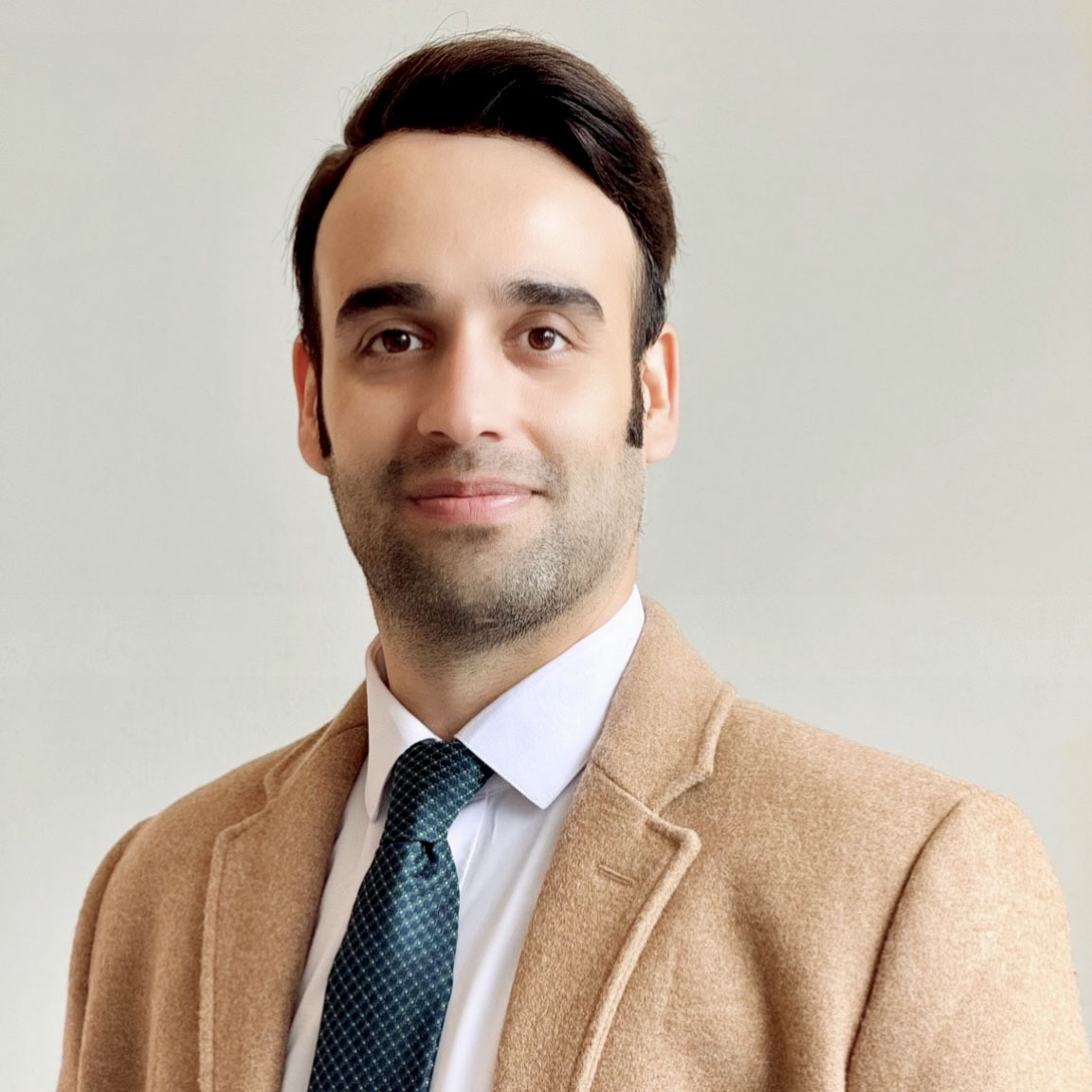
Concentration: Intelligent Transportation Systems (ITS), Artificial Intelligence for Transportation, Transportation Data Analytics, Digital Twins, Autonomous AI Agents, Large Language Models (LLMs), Vision-Language Models (VLMs), and Smart Mobility Systems
Overview: Abolfazl Afshari’s research focuses on advancing intelligent transportation systems through the integration of artificial intelligence, generative AI, large language models (LLMs), vision-language models (VLMs), autonomous AI agents, computer vision, LiDAR sensing, digital twins, connected vehicle technologies, and traffic simulation. His work centers on developing intelligent and interpretable transportation systems for traffic operations, safety, mobility, and infrastructure management. By combining real-time sensing, data analytics, and AI-driven decision-making, his research aims to create safer, more efficient, and more adaptive transportation networks capable of responding to complex real-world conditions.
Advisor: Joyoung Lee
NJDOT Intelligent Transportation Systems Resource Center (ITSRC)

Concentration: AI-Driven Transportation Systems, Transportation Data Analytics, Agentic AI/LLM-Based Decision Support, Autonomous Mobility Simulation, and AI-Enabled Multimodal Travel Demand Modeling
Overview: Bazdar’s research focuses on AI-enabled transportation systems. He developed IRIS (Incident Response Intelligence System), a next-generation traffic incident management framework that uses agentic AI to orchestrate predictive modeling, LLM, and retrieval-based reasoning (RAG) for smarter incident response. His work features a novel tour-based travel demand model that integrates OpenPaths AGENT/CUBE applications, generative-AI-assisted synthetic population modeling, and AI-assisted calibration to move travel demand modeling toward a more realistic era. His broader work includes autonomous vehicle simulation and AI-based safety analytics.
Advisor: Branislav Dimitrijevic
Intelligent Transportation Systems Resource Center (ITSRC)
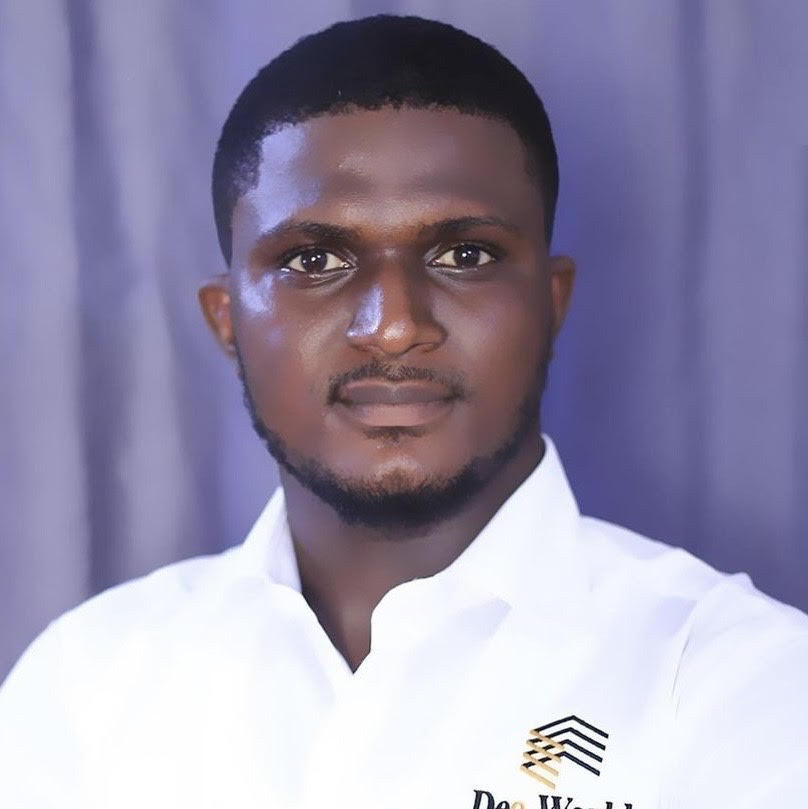
Concentration: Intelligent Transportation Systems
Overview: Danquah’s research focuses on improving the continuity and reliability of vehicle trajectories using roadside LiDAR data for intelligent transportation systems. LiDAR sensors can capture detailed vehicle movement in real traffic environments, but the resulting trajectories may sometimes become fragmented when tracking is interrupted or when vehicles pass through areas with limited detection. His work develops data-driven methods to reconnect and reconstruct these broken vehicle movement paths so they can provide more reliable information for traffic analysis, travel-time estimation, roadway operations, vehicle behavior understanding, and safety-related applications.
Advisor: Joyoung Lee
NJDOT Intelligent Transportation Systems Resource Center (ITSRC)
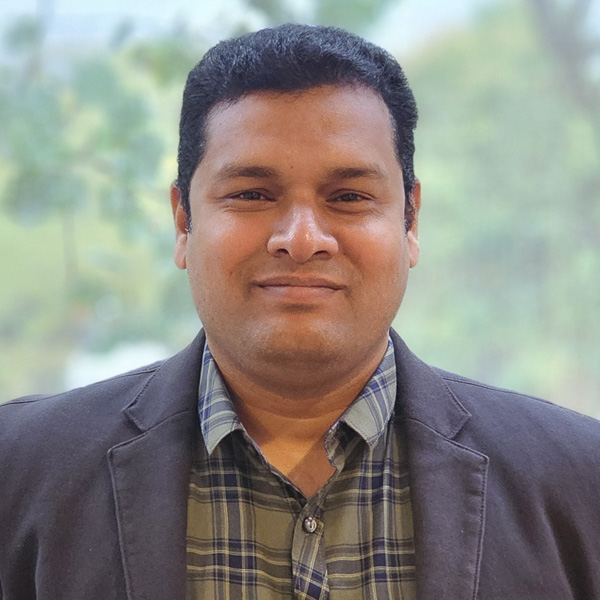
Concentration: Traffic Flow Modeling, Intelligent Transportation Systems, Physics-Informed Neural Network (PINN), and AI-Driven Traffic Safety Analysis
Overview: Hossain’s research focuses on advancing intelligent and data-driven traffic management by integrating connected-vehicle (CV) telemetry, crowdsourced sensing, and artificial intelligence. His work includes traffic count estimation from high-resolution trajectories, real-time incident detection using Waze data, optimal Safety Service Patrol routing from historical crash data, and crash-risk modeling through harsh-braking telematics. He was also involved in applying large language models (LLM) for crash severity prediction. By combining statistical modeling, GIS, and AI, his research enables proactive, cost-efficient, and real-time decision-making for safer and smarter transportation infrastructure.
Advisor: Joyoung Lee
NJDOT Intelligent Transportation Systems Resource Center (ITSRC)

Concentration: Transportation Engineering; Intelligent Transportation Systems; Large Language Models, Vision-Language Models, and Autonomous Agents for Transportation
Overview: Huang’s research focuses on advancing intelligent transportation systems through the integration of large language models (LLMs), vision-language models (VLMs), and autonomous agent technologies. His work explores how multimodal AI systems can support transportation data understanding, traffic operations, safety analysis, infrastructure monitoring, and decision-making in complex real-world environments. By combining language reasoning, visual perception, agentic workflows, and transportation domain knowledge, his research aims to develop intelligent, interpretable, and adaptive systems that enhance the efficiency, safety, and resilience of future transportation networks.
Advisor: Yun Bai
Intelligent Transportation Infrastructure and System (INTIS) Laboratory

Overview: Jefferson’s research uses nearly 35,000 crashes in New York City (2020-2024) to create binary logistic regression models that identify significant crash characteristics for e-scooters and e-bikes and key differences between the two devices and bicycles. Key findings indicate that rider signal non-compliance and unsafe vehicular passing significantly increase the likelihood of fatal or severe injury (FSI) crash. Additionally, the dissertation establishes a framework for understanding common crash configurations and explores targeted safety countermeasures.
Advisor: Janice Daniel
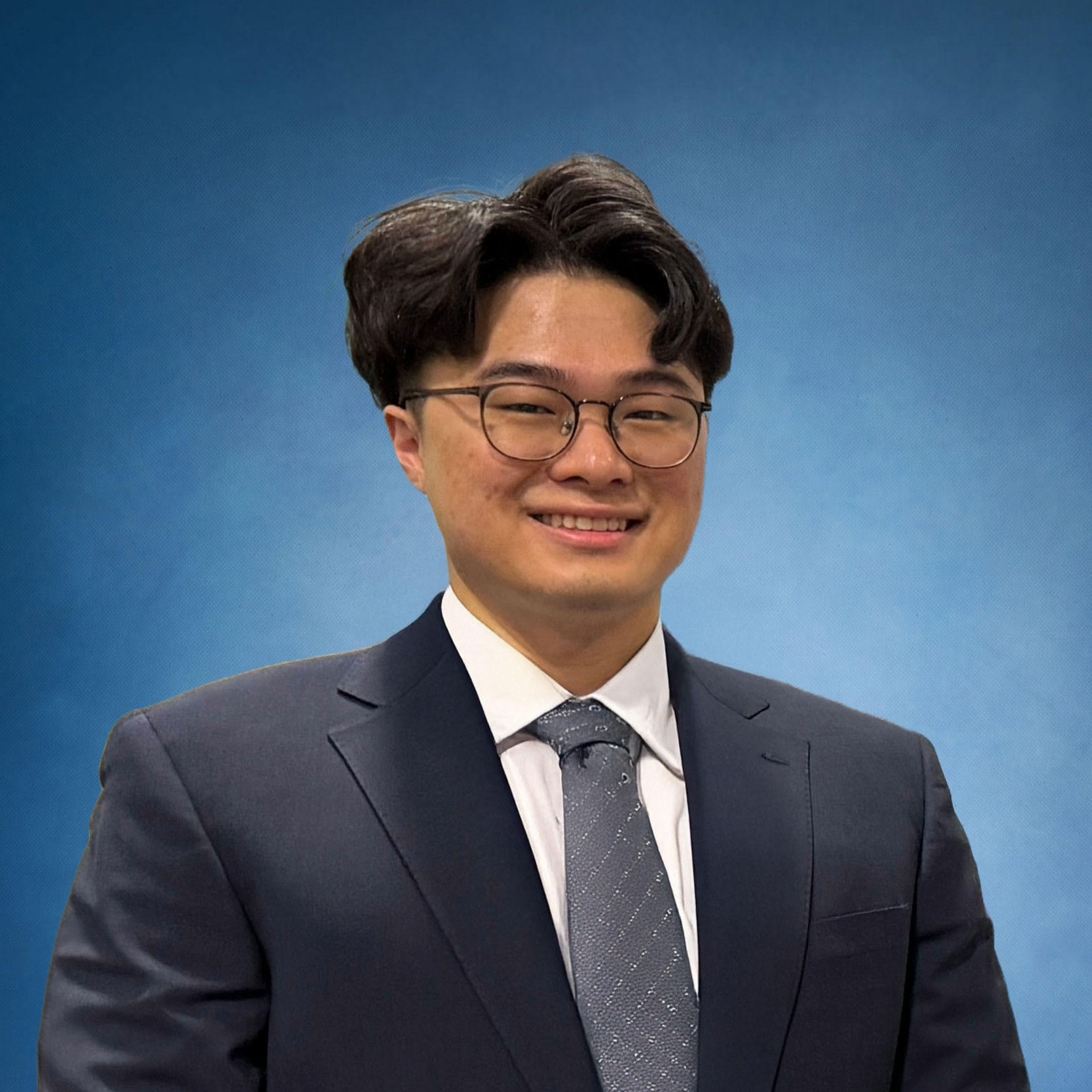
Concentration: Travel Demand Modeling, Reinforcement Learning for Multi-agent Route Optimization
Overview: Kim’s research focuses on applying artificial intelligence to improve on-demand public transportation services. Using deep reinforcement learning, he develops autonomous shuttle systems that learn how to make real-time routing and passenger service decisions in dynamic environments. His work explores how fleets of vehicles can coordinate efficiently to reduce passenger wait times, improve service reliability, and enhance overall transportation system performance, helping advance the future of smart and sustainable mobility.
Advisor: Branislav Dimitrijevic
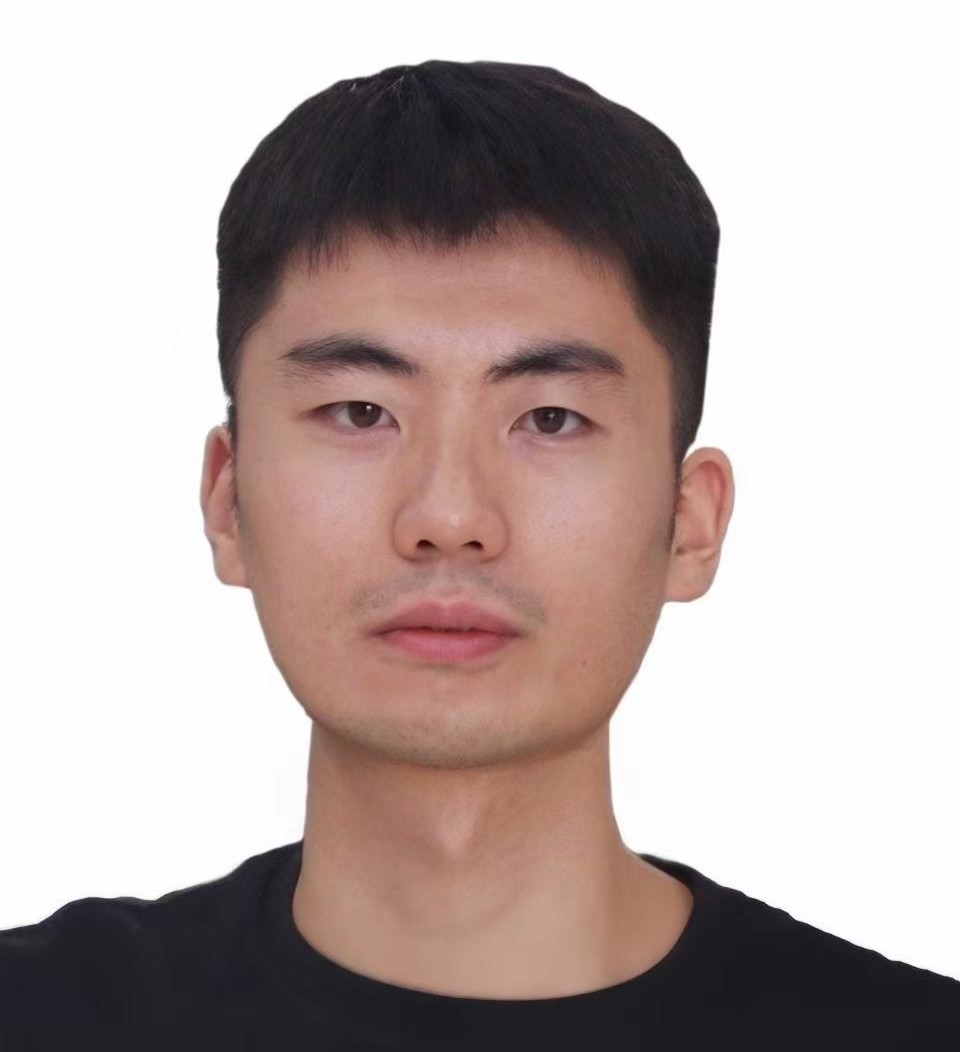
Concentration: Maritime Transportation and Infrastructure Asset Management
Overview: Song’s research focuses on maritime transportation infrastructure, particularly navigation-channel dredging and dredged-material management. His lab develops decision-support and optimization tools within the Maritime Asset Management System (MAMS) to support single-year project prioritization and multi-year dredging planning. The research considers channel conditions, economic importance, dredging costs, budget constraints, project bundling, and disposal facility capacity, with the goal of improving the efficiency, cost-effectiveness, and sustainability of maritime infrastructure maintenance and management.
Advisor: Yun Bai
Intelligent Transportation Infrastructure and System (INTIS) Laboratory

Concentration: Intelligent Transportation Systems (ITS), Connected and Autonomous Vehicles (CAVs), Autonomous Vehicle Safety, Robotics and ROS2, Digital Twins, Traffic Simulation, Artificial Intelligence for Transportation, and Transportation Data Analytics
Overview: Md Wazkuruni's research focuses on improving the safety, reliability, and operational performance of intelligent transportation and autonomous vehicle systems. His work integrates robotics, ROS2 based autonomous platforms, traffic simulation, artificial intelligence, and digital twin technologies to evaluate vehicle behavior and transportation system performance. His research includes autonomous vehicle safety assessment, surrogate safety analysis, sensor based perception, connected vehicle applications, and transportation modeling using microscopic traffic simulation tools such as Vissim. By combining real time sensing, simulation, and data driven decision making, his research aims to support the development of safer, smarter, and more efficient transportation systems.
Advisor: Joyoung Lee
Intelligent Transportation Systems Resource Center (ITSRC)

Concentration: Intelligent Transportation Systems and Transportation Safety Analytics
Overview: Zhang’s research focuses on intelligent transportation systems and transportation safety, with an emphasis on applying artificial intelligence, large language models (LLMs), and data analytics to transportation problems. Her current work includes wildlife-related crash analysis, information extraction from crash narratives, and the integration of structured and unstructured data for safety modeling. She is also interested in leveraging emerging traffic data sources to support data-driven decision-making and improve roadway safety.
Advisor: Joyoung Lee
Intelligent Transportation Systems Resource Center (ITSRC)